Featured

Table of Contents
In the low margin grocer company, an insolvency might be a genuine possibility. Yahoo Financing reports the outdoor specialty merchant shares fell 30% after the company alerted of weakening consumer costs and significantly cut its full-year monetary projection, although its third-quarter outcomes satisfied expectations. Master Focus notes that the business continues to lower inventory levels and a lower its financial obligation.
Personal Equity Stakeholder Task notes that in August 2025, Sycamore Partners obtained Walgreens. It also points out that in the first quarter of 2024, 70% of big U.S. business insolvencies included private equity-owned business. According to USA Today, the business continues its strategy to close about 1,200 underperforming stores across the U.S.
Maybe, there is a possible path to a bankruptcy limiting path that Rite Help tried, however really be successful. According to Finance Buzz, the brand is struggling with a variety of concerns, including a lost weight menu that cuts fan favorites, steep cost increases on signature meals, longer waits and lower service and an absence of consistency.
Without significant menu development or shop closures, personal bankruptcy or massive restructuring stays a possibility. Stark & Stark's Shopping mall and Retail Development Group routinely represent owners, designers, and/or proprietors throughout the country in leasing, buying/selling, 1031 Exchanges, refinancing, and enforcement activities. Among our Group's specialties is bankruptcy representation/protection for owners, developers, and/or proprietors nationally.
To learn more on how Stark & Stark's Shopping Center and Retail Advancement Group can help you, get in touch with Thomas Onder, Investor, at (609) 219-7458 or . Tom composes regularly on industrial genuine estate concerns and is an active member of ICSC. Tom belongs to ICSC's Legal Advisory Council and a previous Marketplace Director for ICSC's Philadelphia area.
In 2025, business flooded the personal bankruptcy courts. From unexpected free falls to carefully prepared tactical restructurings, business bankruptcy filings reached levels not seen given that the consequences of the Great Recession. Unlike previous declines, which were focused in particular industries, this wave cut across nearly every corner of the economy. According to S&P Global Market Intelligence, insolvency filings among big public and private companies reached 717 through November 2025, surpassing 2024's overall of 687.
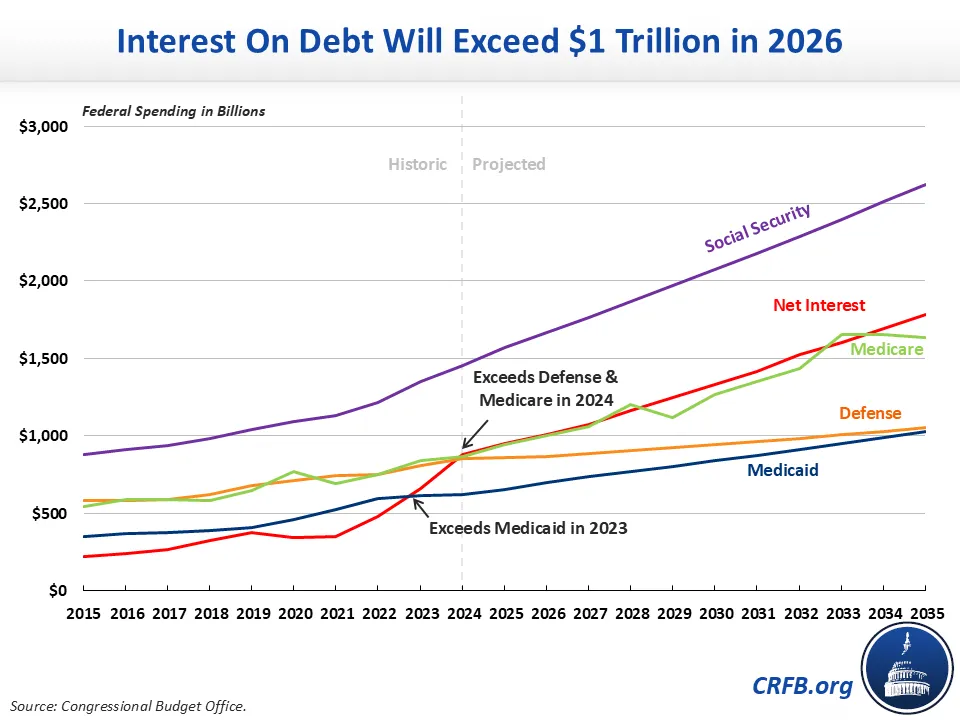
Companies mentioned relentless inflation, high rate of interest, and trade policies that disrupted supply chains and raised expenses as key chauffeurs of monetary pressure. Extremely leveraged businesses faced greater threats, with private equitybacked companies showing particularly susceptible as rate of interest rose and economic conditions deteriorated. And with little relief anticipated from ongoing geopolitical and economic uncertainty, experts prepare for elevated personal bankruptcy filings to continue into 2026.
Protecting Your Bank Account From Debt Harassment
is either in economic crisis now or will remain in the next 12 months. And more than a quarter of loan providers surveyed say 2.5 or more of their portfolio is already in default. As more business seek court defense, lien priority ends up being an important problem in personal bankruptcy procedures. Priority typically figures out which creditors are paid and just how much they recuperate, and there are increased obstacles over UCC top priorities.
Where there is capacity for a business to reorganize its financial obligations and continue as a going issue, a Chapter 11 filing can provide "breathing space" and offer a debtor essential tools to restructure and protect worth. A Chapter 11 bankruptcy, likewise called a reorganization personal bankruptcy, is utilized to save and enhance the debtor's company.
A Chapter 11 plan assists the company balance its earnings and costs so it can keep operating. The debtor can also sell some assets to pay off specific financial obligations. This is various from a Chapter 7 personal bankruptcy, which usually concentrates on liquidating assets. In a Chapter 7, a trustee takes control of the debtor's assets.
Negotiating Your Total Debt With Settlement Services
In a standard Chapter 11 restructuring, a company facing operational or liquidity difficulties files a Chapter 11 insolvency. Usually, at this phase, the debtor does not have an agreed-upon plan with creditors to restructure its financial obligation. Comprehending the Chapter 11 insolvency process is crucial for financial institutions, agreement counterparties, and other parties in interest, as their rights and financial recoveries can be considerably affected at every phase of the case.
Note: In a Chapter 11 case, the debtor usually remains in control of its company as a "debtor in ownership," functioning as a fiduciary steward of the estate's possessions for the benefit of lenders. While operations might continue, the debtor goes through court oversight and must acquire approval for many actions that would otherwise be routine.
How to Keep Your Property During Insolvency
Because these movements can be comprehensive, debtors must thoroughly plan beforehand to guarantee they have the required permissions in place on the first day of the case. Upon filing, an "automatic stay" instantly goes into result. The automated stay is a foundation of bankruptcy protection, created to stop most collection efforts and give the debtor breathing space to rearrange.
This consists of getting in touch with the debtor by phone or mail, filing or continuing lawsuits to gather debts, garnishing wages, or filing brand-new liens versus the debtor's home. The automated stay is not absolute. Specific obligations are non-dischargeable, and some actions are exempt from the stay. Procedures to develop, modify, or collect spousal support or child support might continue.
Criminal procedures are not halted simply since they involve debt-related issues, and loans from the majority of occupational pension should continue to be paid back. In addition, financial institutions might look for relief from the automatic stay by filing a motion with the court to "raise" the stay, enabling particular collection actions to resume under court guidance.
Eliminating Unfair Collector Harassment Practices in 2026
This makes effective stay relief movements hard and extremely fact-specific. As the case progresses, the debtor is required to submit a disclosure statement together with a proposed strategy of reorganization that details how it intends to reorganize its financial obligations and operations moving forward. The disclosure declaration offers financial institutions and other parties in interest with detailed details about the debtor's company affairs, including its properties, liabilities, and total monetary condition.

The plan of reorganization acts as the roadmap for how the debtor means to fix its financial obligations and restructure its operations in order to emerge from Chapter 11 and continue operating in the ordinary course of service. The plan classifies claims and defines how each class of lenders will be dealt with.
Before the strategy of reorganization is filed, it is frequently the topic of substantial settlements between the debtor and its financial institutions and need to adhere to the requirements of the Insolvency Code. Both the disclosure declaration and the strategy of reorganization should eventually be approved by the personal bankruptcy court before the case can move on.
The guideline "first-in-time, first-in-right" applies here, with a couple of exceptions. In high-volume personal bankruptcy years, there is frequently intense competition for payments. Other financial institutions might contest who gets paid. Preferably, secured financial institutions would ensure their legal claims are appropriately documented before a personal bankruptcy case starts. Furthermore, it is likewise crucial to keep those claims up to date.

Latest Posts
Identifying the Right Financial Relief Pathway

Managing High Debt With Counseling Strategies in 2026

Mortgage and Credit Counseling for Homeowners in 2026